How much does it cost to record music in a studio?
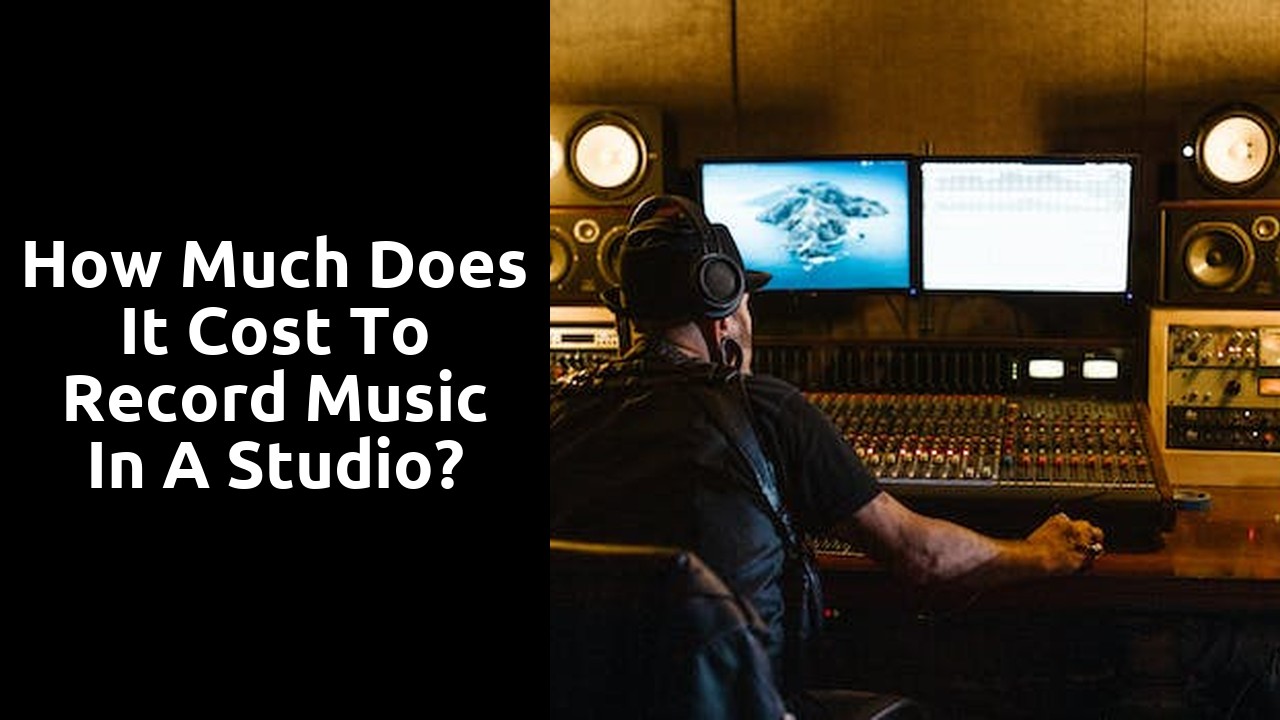
Understanding the Financial Investment of Studio Recording
Recording music in a professional studio is an exciting endeavor for any music artist or band. However, it is important to understand the financial investment that comes with this process. The costs involved in studio recording can vary depending on the location, size, and reputation of the studio, as well as the duration and complexity of the project.
One of the main expenses to consider is the studio rental fee. Studios charge an hourly rate or a daily rate, and the price can range significantly. Higher-end studios with top-of-the-line equipment and experienced engineers typically have higher rental fees. Additionally, some studios may require a minimum number of hours for the booking, which adds to the overall cost. It is important to carefully consider your budget and assess how much time you will need in the studio to complete your project.
Planning Your Budget for Professional Music Production
When planning your budget for professional music production, there are several key factors to consider. First and foremost, you need to determine the scope of your project. Are you looking to record a full-length album, or just a few singles? The scale of the project will greatly impact your budget, as larger projects generally require more studio time and resources.
Next, think about the level of production you want for your music. Do you want a minimalist approach, with just a few instruments and vocals? Or do you envision a fully produced sound with multiple layers and effects? The level of production will affect the cost of hiring additional musicians, engineers, and producers.
Additionally, it's important to consider the quality of the recording studio you choose. Higher-end studios tend to have better equipment and facilities, but they often come with a higher price tag. However, investing in a reputable studio can greatly enhance the overall quality of your music.
Furthermore, you should factor in the cost of any additional services you may need, such as mixing and mastering. While some studios include these services in their package, others may charge extra. It's essential to clarify these details before booking your studio time.
Lastly, don't forget to account for any miscellaneous expenses, such as travel costs, accommodation, and equipment rental if needed. These additional costs can quickly add up, so it's crucial to budget for them accordingly.
By carefully considering these factors and creating a detailed budget, you can ensure that you are financially prepared for your professional music production project. Planning ahead will help you avoid any unforeseen financial challenges and allow you to focus on creating the best possible music.
Unveiling the Price Tags of Recording Studio Sessions
Recording music in a professional studio can be an exhilarating and transformative experience for artists. However, it's essential to understand the financial investment required for these studio sessions. The price tags of recording studio sessions can vary significantly depending on various factors, including the studio's reputation, location, and the equipment and services they offer. While some studios may offer hourly rates, others might have fixed packages for specific recording needs.
When it comes to budgeting for recording studio sessions, it's crucial to consider not only the studio's fees but also additional costs that may be involved. These additional expenses can include hiring session musicians, paying for mixing and mastering services, and any necessary equipment rentals. It's essential to communicate with the studio beforehand to clarify all the costs involved so that there are no surprises later on. Adequate planning and thorough research will help musicians ensure that they are making the most out of their recording studio investment.
Demystifying the Expenses of Creating Music in a Studio
When it comes to creating music in a studio, there are several expenses that artists need to be aware of. One of the primary costs is the studio rental itself. Most studios charge an hourly rate, which can vary depending on the location and reputation of the studio. On top of the rental fee, there may be additional charges for equipment usage, such as microphones, instruments, and soundproofing materials.
Another significant expense to consider is the cost of hiring a professional sound engineer. While it may be tempting to try and handle the recording process yourself, hiring an experienced engineer can make a world of difference in the quality of your final product. These professionals understand the technical aspects of recording and can help ensure that your music sounds its best. However, their expertise does come at a price, so it's important to budget accordingly.
Navigating the Financial Landscape of Recording Studios
Recording your own music in a professional studio can be an exciting and fulfilling experience as an artist. However, it is crucial to understand the financial landscape of recording studios to ensure that you are well-prepared and equipped to navigate the costs involved. The expenses of creating music in a studio can vary significantly depending on various factors, such as the location, studio equipment, session musicians, and even the engineer's expertise. Therefore, it is essential to have a clear understanding of your budget and financial investment before embarking on your studio recording journey.
One of the first steps in navigating the financial landscape of recording studios is to plan your budget for the entire music production process. This includes not only the studio recording sessions but also pre-production and post-production expenses. Pre-production costs may include songwriting and demo recording, while post-production expenses often involve mixing, mastering, and any additional editing required. By thoroughly planning your budget and determining how much you are willing to invest in each phase, you can make informed decisions and allocate your financial resources wisely. Additionally, being mindful of unforeseen expenses is crucial, as unexpected costs may arise during the recording process.
Exploring the Costs Involved in Recording Your Own Music
Recording your own music can be a thrilling and rewarding experience. It allows you to have complete control over the creative process and ensures that your artistic vision is fully realized. However, it is important to consider the costs involved in recording your music in a professional studio setting.
One of the main expenses to consider is the rental cost of the recording studio itself. Studio rates can vary widely depending on factors such as location, equipment, and reputation. It is essential to research and compare different studios to find one that fits your budget while still offering the necessary amenities and services. Additionally, it is important to keep in mind that the cost of the studio rental often includes the services of an audio engineer or producer who will assist you in capturing the best possible sound quality for your recordings.
FAQS
What factors contribute to the cost of recording music in a studio?
The cost of recording music in a studio can vary depending on several factors, including the studio's reputation, location, equipment quality, engineer experience, and the length and complexity of the recording session.
Are there any additional costs associated with recording in a studio?
Yes, apart from the studio's hourly or daily rates, additional costs may include hiring session musicians, renting instruments or equipment, mixing and mastering services, and licensing fees for samples or copyrighted material.
How much does it typically cost to record a song in a professional studio?
The cost to record a song in a professional studio can range anywhere from $500 to $5000 or more, depending on the factors mentioned earlier. It is best to consult with the studio directly to get accurate pricing for your specific project.
Can I record music in a home studio to save money?
Yes, recording in a home studio can be a more cost-effective option for some musicians. However, keep in mind that the quality of the equipment and acoustics may not be on par with a professional studio, so it is important to consider your specific needs and goals.
Are there any ways to minimize the cost of recording in a studio?
Yes, there are a few ways to minimize costs. Booking shorter sessions, being prepared and well-rehearsed, and having a clear vision for your project can help reduce the amount of studio time needed. Additionally, consider negotiating package deals or discounts with the studio to help lower the overall cost.
Are there any hidden costs I should be aware of when recording in a studio?
It is essential to discuss all potential costs upfront with the studio to avoid any surprises. Be sure to inquire about any additional fees such as equipment rental, overtime charges, or any specific services that may not be included in the base price.
Can I negotiate the price with a recording studio?
Yes, many studios are open to negotiation, especially if you have a limited budget or are booking multiple sessions. It never hurts to inquire about any available discounts, package deals, or payment plans that may be offered by the studio.
How can I find a studio that fits my budget?
Researching different studios, comparing their rates, and reading reviews from other musicians can help you find a studio that fits your budget. Additionally, reaching out to other musicians or industry professionals for recommendations can be a valuable resource in finding affordable studio options.
What are the advantages of recording music in a professional studio rather than at home?
Recording in a professional studio often provides access to high-quality equipment, experienced engineers, and optimal recording environments. This can result in a more polished and professional sound that may be challenging to achieve in a home studio setup. Additionally, working in a dedicated recording space can help minimize distractions and allow for a more focused and productive recording experience.
Can I get a refund if I am not satisfied with the recording quality?
Refund policies vary between studios, so it is important to clarify this before booking a session. Some studios may offer revisions or additional recording time to rectify any issues, while others may not offer refunds.
Related Links
How much does it cost to have your own recording studio?How much is a recording studio?